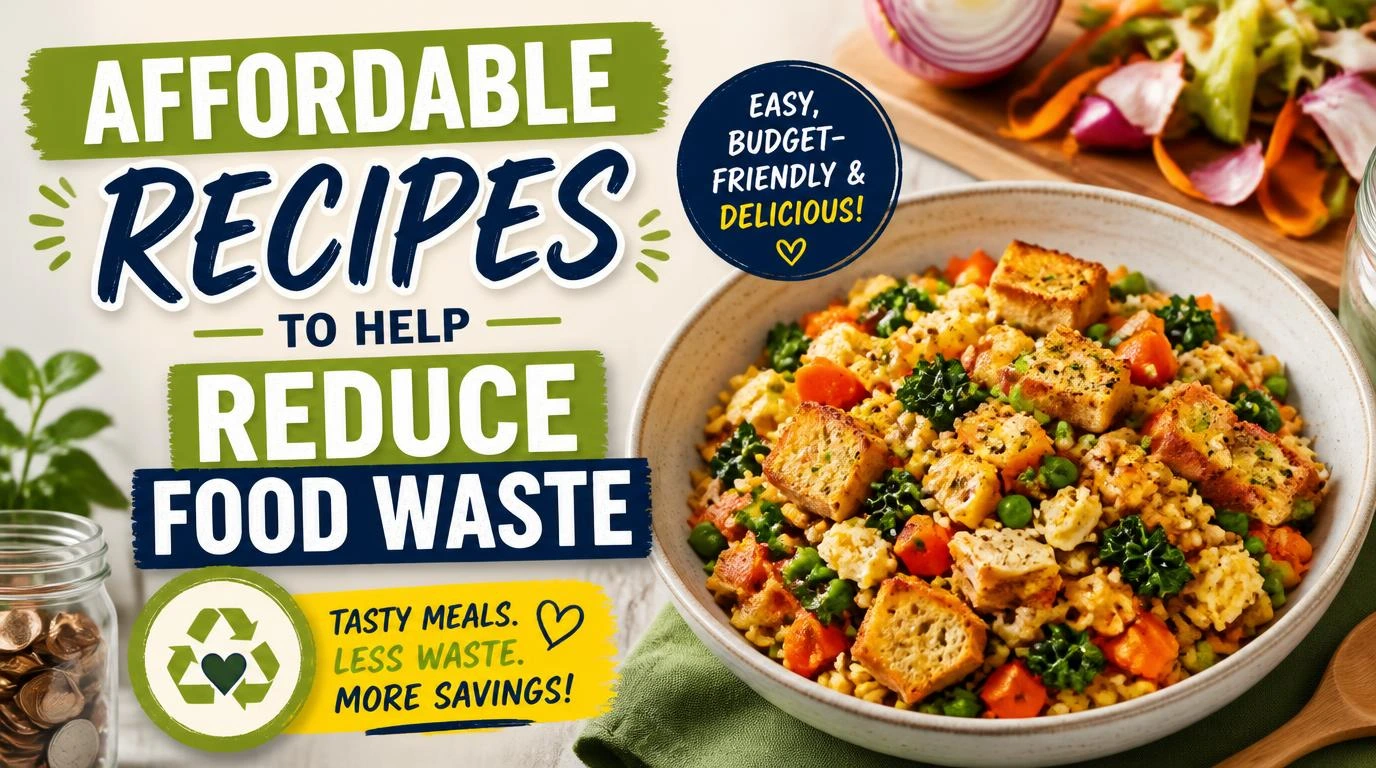
Affordable recipes for people trying to reduce food waste can turn that lonely half onion, tired carrot, or leftover rice into dinner instead of bin fodder. I used to think waste reduction meant eating sad leftovers for three days, but the better trick is cooking meals that welcome odds and ends. Once you start thinking this way, your fridge gets cheaper, calmer, and surprisingly creative.
1. Leftover Vegetable Fried Rice
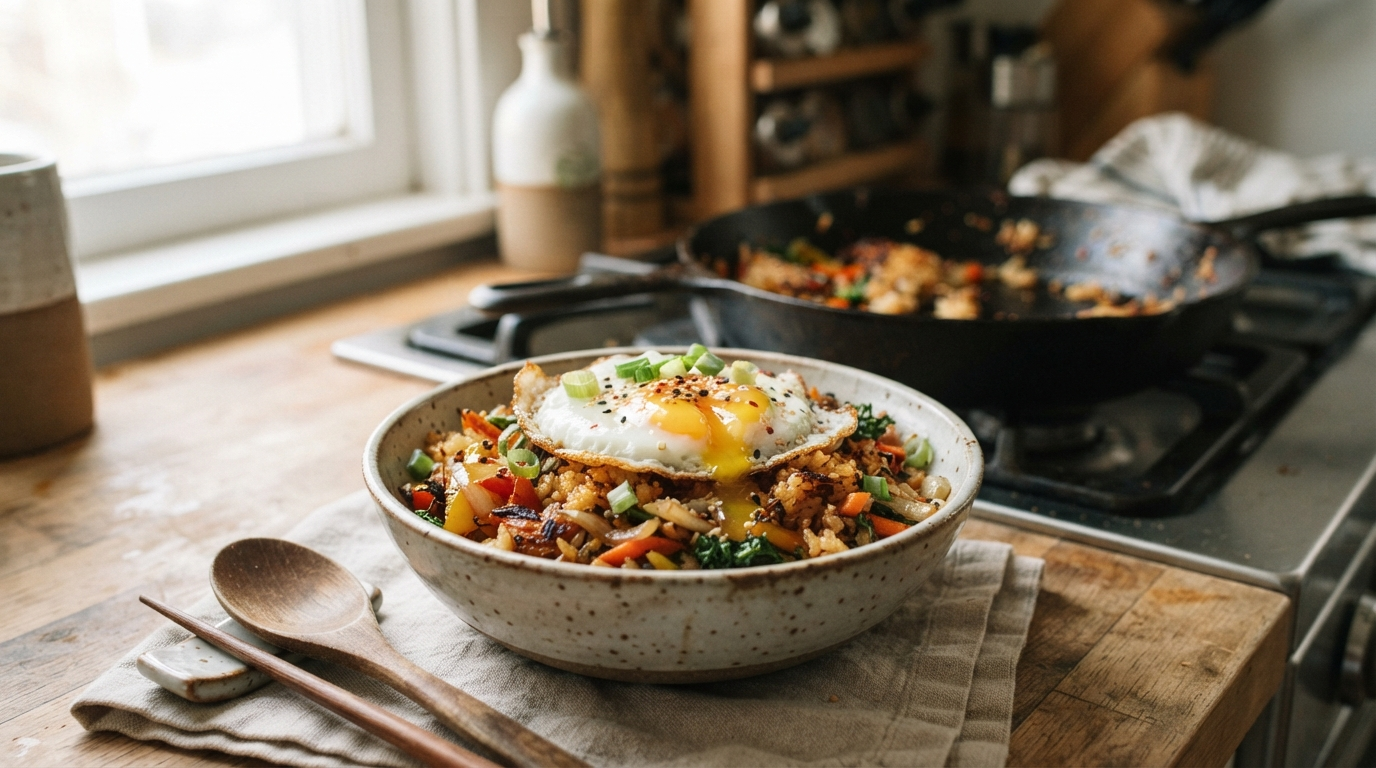
Cold cooked rice is practically begging for a second job, and fried rice gives it one. Toss in whatever vegetables need using, such as carrots, peas, bell peppers, cabbage, green onions, or broccoli stems.
Heat a little oil in a large skillet, add chopped vegetables, then stir in cold rice. Push everything aside, scramble an egg in the empty space if you like, and mix it all together with soy sauce. A spoonful of leftover chicken, tofu, or even corn can join the party.
The useful trick here is cutting everything into small pieces. Even vegetables that look slightly past their prime can disappear beautifully into the rice. This is one of my favorite leftover meals because nobody needs to know you cleaned out the vegetable drawer.
2. Kitchen-Sink Pasta
Pasta has rescued many questionable-looking refrigerators. Start with the vegetables you need to use first, then build a simple sauce around them rather than shopping for a long ingredient list.
Sauté onions, garlic, mushrooms, spinach, zucchini, tomatoes, or peppers in olive oil. Add canned tomatoes, a splash of cream, tomato paste mixed with pasta water, or even a little cream cheese. Toss in cooked pasta and finish with cheese if you have some sitting around.
This approach works especially well when you have small amounts of several ingredients. Half a bell pepper rarely feels useful on its own, but half a pepper plus a handful of spinach and two mushrooms can make a proper dinner.
3. Loaded Potato Skillet
Potatoes are cheap, filling, and wonderfully forgiving. When a few are sitting around looking less than glamorous, chop them up and turn them into a skillet meal.
Parboil or microwave the potatoes until nearly tender, then brown them in a skillet with oil. Add leftover vegetables, cooked meat, beans, cheese, or a fried egg. Season everything with whatever fits your pantry, from paprika and garlic powder to chili flakes and black pepper.
I especially like this method for using tiny leftovers that don’t seem large enough for another meal. A spoonful of cooked beans and two strips of leftover chicken suddenly become toppings instead of clutter.
4. Affordable Recipes for People Trying to Reduce Food Waste: Soup
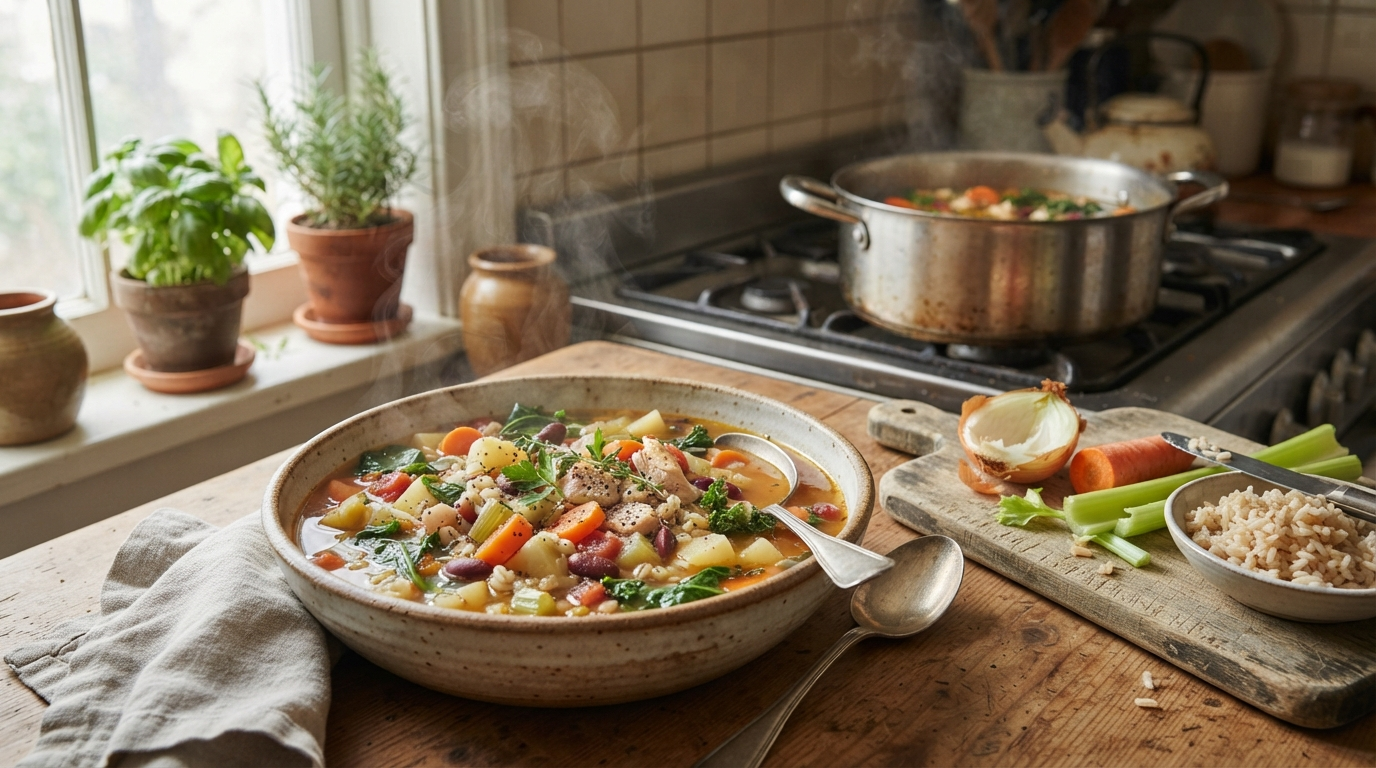
Soup is where stray ingredients get a second chance. Carrots, celery, potatoes, tomatoes, beans, cooked meat, wilted greens, and leftover grains can all find a place in the same pot.
Start with onion, garlic, and whatever sturdy vegetables need attention. Add broth or water, canned tomatoes if you have them, beans or lentils for substance, then simmer until everything tastes cohesive. Add delicate greens near the end so they keep some texture.
The important part is knowing what belongs in the pot first. Hard vegetables need more cooking time, while spinach, herbs, and cooked meat can go in later. That small adjustment keeps the soup from becoming one giant pot of mush.
5. Homemade Vegetable Quesadillas
A quesadilla doesn’t care whether your filling came from a carefully planned grocery list. It only cares whether you have tortillas, something tasty inside, and enough cheese to make everything stick together.
Chop leftover cooked vegetables or sauté fresh ones that need using. Add beans, shredded chicken, corn, mushrooms, or cooked potatoes, then sandwich the mixture between tortillas with cheese. Cook in a lightly oiled skillet until crisp on both sides.
This recipe also handles small portions beautifully. You don’t need a cup of filling for each quesadilla. A few tablespoons of several leftovers can create a surprisingly satisfying meal, especially with salsa, yogurt, or hot sauce on the side.
6. Banana Oat Pancakes
Overripe bananas often become the first casualties of an overambitious grocery shop. Instead of watching them turn brown on the counter, mash them into pancakes.
Combine mashed banana with oats, eggs, milk, and a little baking powder. Add cinnamon if you have it. Cook small pancakes over medium heat until golden and cooked through.
You can also freeze ripe bananas for later, although peeling them first saves you from wrestling with a frozen banana brick. This recipe works particularly well for breakfast because the fruit provides sweetness, so you can use less added sugar.
7. Vegetable Egg Muffins
A handful of leftover vegetables can make breakfast for several days when you turn them into egg muffins. They also work nicely when you have ingredients that need using but don’t fit neatly into another recipe.
Whisk eggs with chopped vegetables, cheese, herbs, and cooked meat if available. Pour the mixture into greased muffin cups and bake until the centers set.
Use cooked vegetables whenever possible, especially watery ones such as zucchini or mushrooms. Cooking them first removes excess moisture and keeps the egg muffins from turning soggy. Store the cooled muffins in the refrigerator and reheat individual portions when needed.
8. Homemade Croutons for Stale Bread
Stale bread isn’t necessarily bad bread. When slices become too dry for sandwiches, turn them into something crunchy instead.
Cut the bread into cubes, toss with oil, garlic powder, dried herbs, and a little salt, then bake until crisp. Use the croutons on soup, salad, scrambled eggs, or pasta.
You can also freeze bread before it reaches the stale stage. Keep slices or chunks in a freezer bag, then toast them straight from frozen when you need them. This simple habit prevents one of the most common forms of household food waste without requiring any fancy equipment.
9. Crispy Rice and Egg Bowls
A small container of leftover rice can become a full meal with an egg and a few flavorful additions. This works especially well when you’re cooking for one and don’t want to prepare an entirely new dinner.
Crisp the rice in a hot skillet with a little oil, stirring occasionally so some grains brown. Add leftover vegetables, beans, shredded meat, or greens, then top everything with a fried or scrambled egg.
Soy sauce, chili crisp, sesame oil, salsa, or hot sauce can completely change the flavor. Keep a few condiments you genuinely enjoy around, and simple leftovers stop tasting repetitive.
10. Flexible T
omato Bean Stew
Canned tomatoes and beans make an excellent base for a meal that can absorb whatever else needs attention. You can use white beans, kidney beans, chickpeas, or a mixture.
Cook onion and garlic in oil, then add tomatoes, beans, broth, and vegetables. Simmer until the vegetables become tender. Add spinach, leftover chicken, herbs, or cooked grains near the end.
Serve the stew with bread, rice, pasta, or potatoes. That flexibility matters because you can use the carbohydrate you already have instead of buying another ingredient specifically for dinner.
11. Leftover Chicken Wraps
A small amount of leftover chicken often isn’t enough for another full meal, but wraps can stretch it surprisingly far. Add crunchy vegetables, beans, lettuce, rice, cheese, or a simple yogurt-based sauce.
Mix shredded chicken with whatever seasoning suits the rest of your ingredients. Spoon it into tortillas with the other fillings, roll tightly, and toast the wrap in a dry skillet if you want crisp edges.
This is also a good place for vegetables that aren’t pretty enough for a salad. Shredded carrots, cabbage, cucumber ends, and slightly tired lettuce can all work when you chop them finely and add a flavorful sauce.
12. Pantry Bean and Rice Bowls
When the refrigerator looks empty, the pantry can still save dinner. Rice and beans form a cheap base, then you can add whatever vegetables, sauces, herbs, or leftover proteins you have.
Cook the rice, warm the beans with spices, and pile everything into a bowl. Add corn, tomatoes, sautéed peppers, avocado, cheese, fried eggs, or leftover meat when available.
The key is changing the flavor profile rather than buying new ingredients. Salsa makes one version taste Mexican-inspired, while soy sauce, sesame oil, and green onions can push the same basic ingredients in another direction.
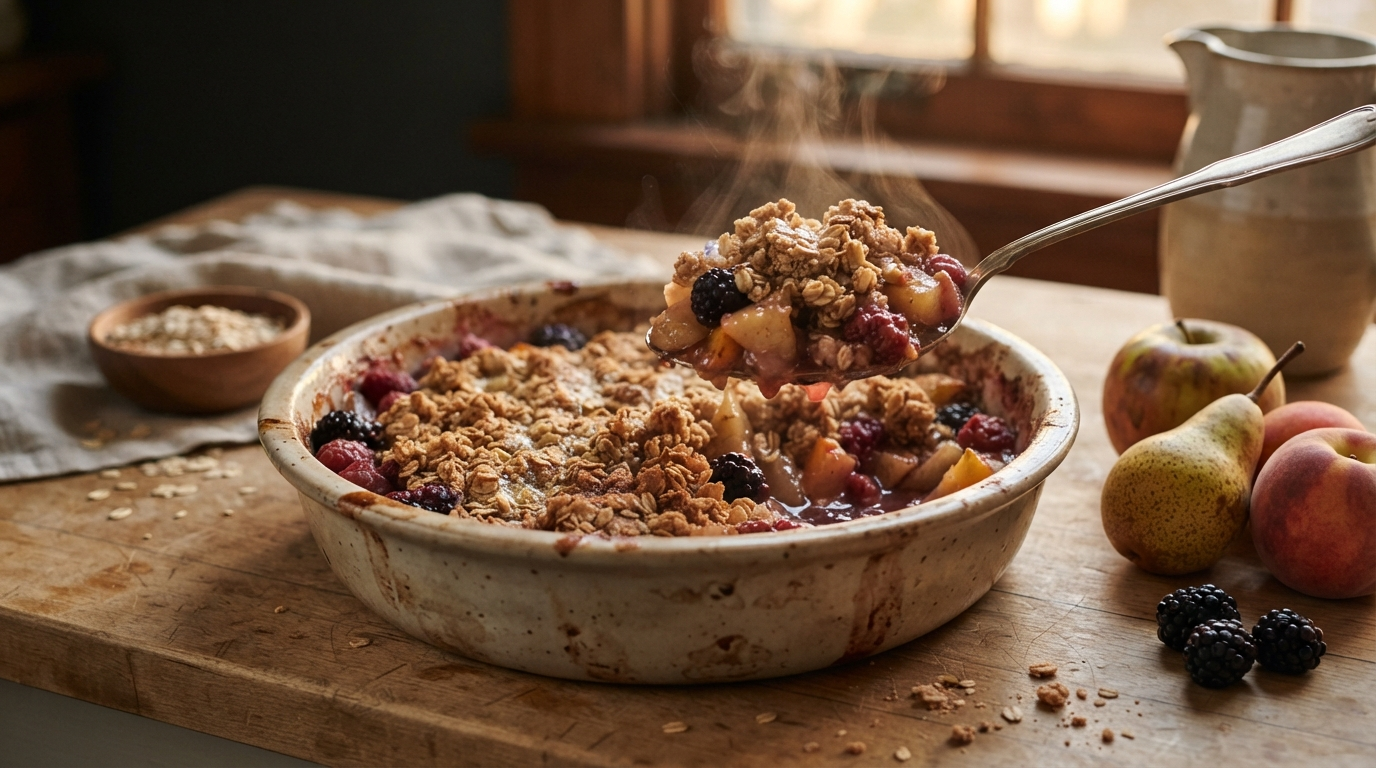
13. Fruit Crumble for Soft Fruit
Soft apples, pears, peaches, berries, and other fruit don’t always need to go straight into the trash. If the texture has deteriorated but the fruit remains safe to eat, baking can give it a completely different character.
Chop the fruit and place it in a baking dish. Top it with oats, flour, butter or oil, cinnamon, and a little brown sugar. Bake until the fruit bubbles and the topping turns crisp.
You don’t need a precise collection of fruits. Mixing two or three varieties often works beautifully. This is especially handy when several pieces are individually too small to serve but together make a generous dessert.
14. Homemade Breadcrumbs
The dry ends of bread, leftover rolls, and forgotten slices can become breadcrumbs instead of landfill. This takes almost no effort and gives you a useful ingredient for future meals.
Dry the bread completely, then crush it with a food processor, blender, rolling pin, or even your hands. Store the crumbs in an airtight container, or freeze them if you won’t use them soon.
Seasoned breadcrumbs can coat chicken, fish, vegetables, or pasta bakes. Plain crumbs work well for meatballs, burgers, stuffing, and casseroles. Once you start saving bread ends, you’ll probably notice how rarely you actually need to buy breadcrumbs.
15. Fridge-Cleanout Frittata
A frittata might be the most forgiving meal on this list. Eggs provide the structure, while almost everything else depends on what needs using.
Cook vegetables and leftover meat in an oven-safe skillet, pour beaten eggs over them, then cook gently until the edges set. Finish under the broiler or in the oven until the center is cooked.
Cheese, herbs, cooked potatoes, greens, mushrooms, and small amounts of roasted vegetables all work well. Avoid adding too many watery ingredients without cooking them first. Otherwise, your beautiful fridge-clearing dinner can turn into a disappointing puddle.
16. Turn Leftovers Into a New Meal
One reason leftovers get wasted is simple boredom. Eating exactly the same plate again can feel like a punishment, even when the food itself tastes fine.
Instead, change the format. Turn leftover roasted chicken into wraps, soup, fried rice, or quesadillas. Transform roasted vegetables into pasta sauce or an omelet. Use leftover rice in bowls or fried rice.
That small mental shift makes affordable recipes for people trying to reduce food waste much easier to maintain. You aren’t forcing yourself to eat leftovers. You’re using prepared ingredients as building blocks for something new.
17. Make a “Use First” Box in the Fridge
Cooking creatively helps, but organization prevents waste before it starts. I recommend keeping a small, visible section of the refrigerator for food that needs attention soon.
Put opened vegetables, cooked grains, half-used sauces, herbs, and leftovers there. When you’re deciding what to cook, check that area before reaching for unopened ingredients.
Clear containers help because you can see what you have without opening five mystery tubs. A piece of masking tape with the date can help too, especially for cooked foods that might otherwise disappear behind the yogurt.
18. Plan Meals Around What You Already Own
A grocery list shouldn’t always start with recipes. Sometimes it should start with your refrigerator.
Before shopping, check your produce drawer, freezer, pantry, and leftovers. Pick two or three ingredients that need using first, then choose meals around them. If you have spinach, eggs, and potatoes, for example, you already have the beginnings of breakfast muffins, a frittata, or a skillet dinner.
This habit makes affordable recipes for people trying to reduce food waste much easier because your shopping supports the food you already own instead of competing with it.
19. Freeze Ingredients Before They Become a Problem
The freezer can buy you time when your plans change. Chopped onions, ripe bananas, bread, cooked rice, herbs, grated cheese, and many cooked foods can be frozen for later use.
Portion ingredients into amounts you’ll actually use. Freezing an enormous block of cooked rice isn’t helpful if you only need one serving on a Tuesday night.
Label containers with the food and date. Future-you will appreciate knowing whether that mysterious frozen container holds chili or something that once had ambitious plans to become chili.
20. Keep a Few Reliable “Rescue” Ingredients
Reducing waste doesn’t mean using every single ingredient in one heroic cooking session. Keep a handful of inexpensive staples that can turn odds and ends into meals.
Good choices include:
- Eggs
- Rice
- Pasta
- Canned beans
- Canned tomatoes
- Tortillas
- Oats
- Potatoes
- Frozen vegetables
- Cheese
- Bread or breadcrumbs
These ingredients provide structure when the refrigerator contains random leftovers. They also make it easier to avoid ordering takeout simply because dinner doesn’t look obvious.
FAQs
What are affordable recipes for people trying to reduce food waste?
The easiest options include fried rice, soups, frittatas, pasta, quesadillas, potato skillets, rice bowls, and bean stews. These meals work well because they don’t require exact ingredients. You can swap vegetables, proteins, grains, and sauces based on what you already have.
How can I reduce food waste without spending more money?
Start by using what you already own before buying more. Check the refrigerator and freezer before grocery shopping, plan meals around ingredients that need attention, freeze foods when appropriate, and keep inexpensive staples such as rice, beans, eggs, oats, and pasta available.
What should I cook when I have lots of leftover vegetables?
Soup, fried rice, pasta, frittatas, quesadillas, and roasted vegetable bowls are especially flexible. Chop vegetables into similar-sized pieces and combine ingredients with compatible flavors. Cooking softer vegetables later helps preserve texture and prevents the finished meal from becoming watery.
Can I use vegetables that look slightly old?
Appearance alone doesn’t always mean food has spoiled. Remove damaged portions when appropriate and check the food for unusual odors, mold, sliminess, or other clear signs of spoilage. When in doubt about whether a food remains safe, follow local food-safety guidance rather than relying on appearance alone.
How do I stop leftovers from getting forgotten?
Store leftovers where you can see them, preferably in clear containers, and label them with the date. Keep a small “use first” area in the refrigerator. When you plan dinner, check that section before choosing a recipe that requires new ingredients.
What is the easiest food waste habit to start?
Start with one simple rule: before throwing food away, ask whether you can freeze it, repurpose it, or combine it with something else. You don’t need a perfect zero-waste kitchen. Consistently saving a few ingredients each week can make a noticeable difference to your grocery routine.
Conclusion
The best affordable recipes for people trying to reduce food waste aren’t complicated, and they don’t require a refrigerator full of perfect ingredients. They simply give ordinary leftovers another chance to become something worth eating. Next time your fridge looks a little random, take it as a cooking challenge instead of a grocery emergency.