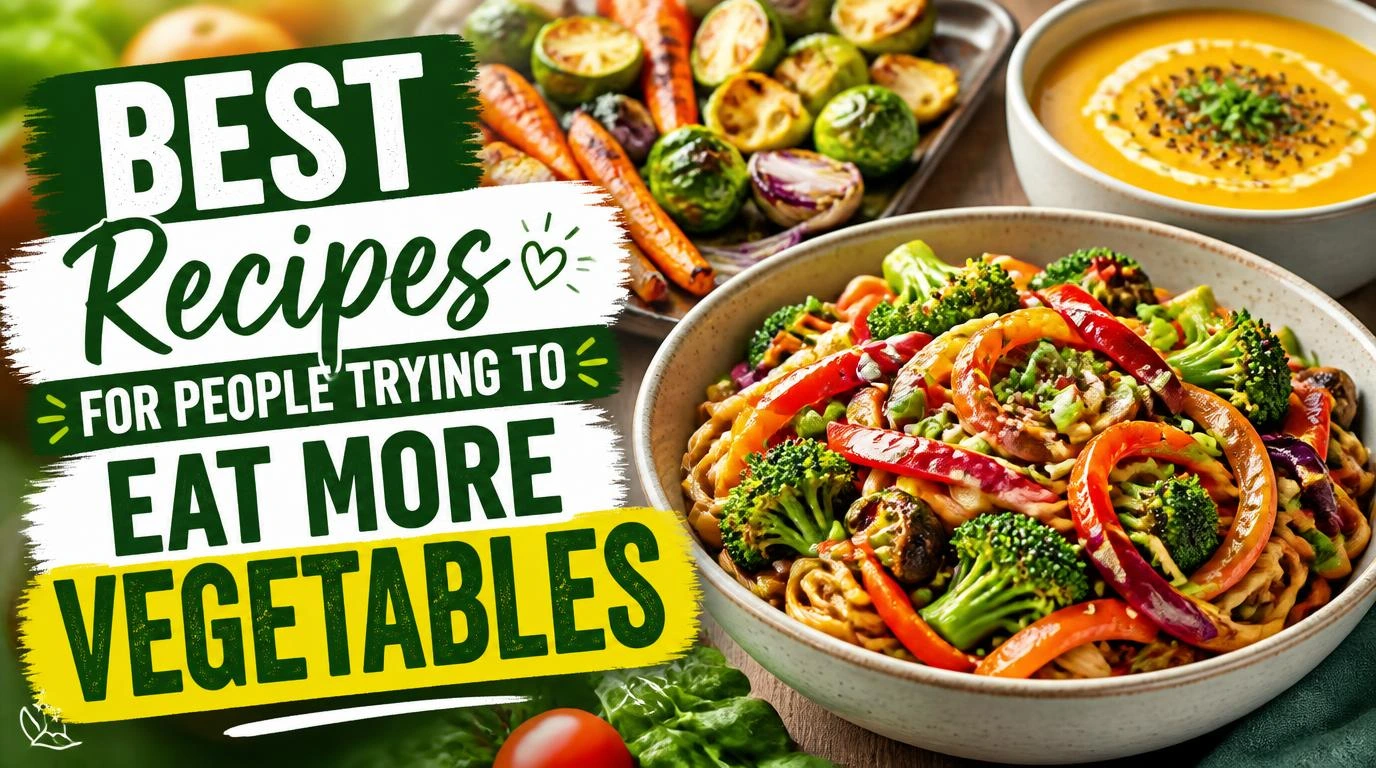
Best recipes for people trying to eat more vegetables should never feel like punishment on a plate. I learned that after one too many sad salads that left me reaching for toast an hour later. The trick is making vegetables taste like the part you actually crave, with enough crunch, spice, sauce, or cheese to keep dinner exciting instead of dutiful.
1. Best Recipes for People Trying to Eat More Vegetables
Sheet-pan gnocchi became one of my favorite weeknight tricks because the vegetables roast beside the gnocchi and pick up browned, crispy edges. Toss shelf-stable gnocchi with cherry tomatoes, bell pepper, zucchini, red onion, olive oil, garlic, salt, and smoked paprika, then roast until charred.
Crisp edges make the vegetables taste roasted and rich, while the tomatoes collapse into a quick sauce. Finish with Parmesan and basil. I usually make extra because the leftovers disappear straight from the fridge.
2. Crispy Cauliflower Tacos
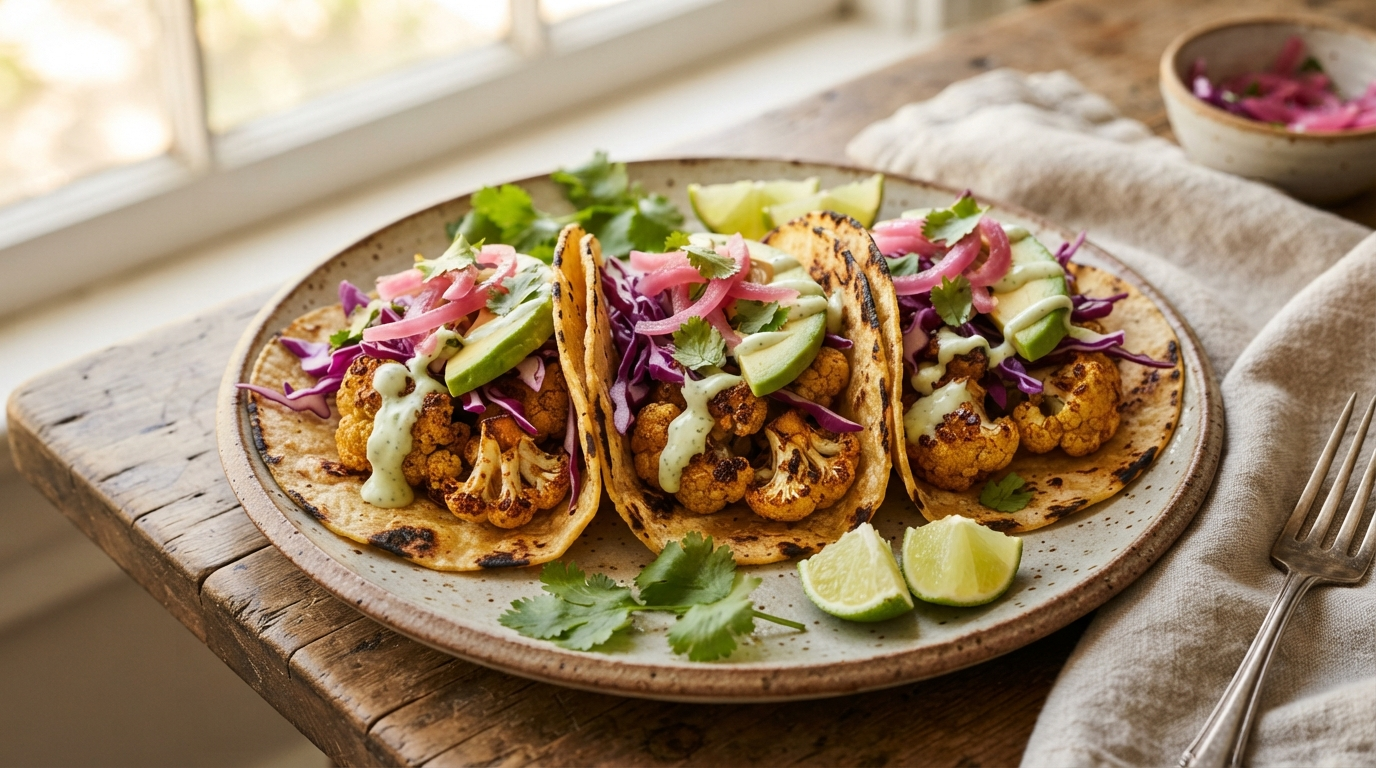
Cauliflower gets a different personality when you roast it hard instead of steaming it. Cut a small head into bite-size florets, coat them with olive oil, chili powder, cumin, garlic powder, and salt, then roast until the tips turn deeply golden.
Pile the cauliflower into warm corn tortillas with avocado, shredded cabbage, lime, and Greek yogurt mixed with hot sauce. Crunch matters, especially if you are still learning to enjoy vegetables. I like adding pickled onions because their sharp, sweet bite keeps each taco from tasting too heavy.
3. Creamy Tomato Spinach Pasta
On comfort-food nights, I make pasta and pile vegetables into the sauce instead of forcing a heroic salad on the side. Sauté garlic and spinach, add crushed tomatoes, then stir in a little cream cheese or ricotta before tossing everything with pasta.
The sauce does most of the persuasion. Baby spinach wilts quickly into the tomatoes, while roasted red peppers add sweetness. A squeeze of lemon brightens the bowl. Whole-wheat pasta works well, but regular spaghetti tastes just as good.
4. Honey-Garlic Roasted Carrots and Chickpeas
Carrots and chickpeas sound simple until you roast them with a sticky honey-garlic glaze. Toss sliced carrots and drained chickpeas with olive oil, honey, garlic, cumin, salt, and black pepper, then roast until the chickpeas crisp and the carrots caramelize.
Spoon the mixture over rice or quinoa and add plain yogurt. Caramelization makes this dish taste richer than its ingredient list suggests. I throw in broccoli or cauliflower when I have lonely vegetables in the crisper drawer, which helps produce become part of normal dinner.
5. Loaded Sweet Potatoes With Black Beans
A baked sweet potato can carry dinner surprisingly well. Pierce a few with a fork, roast until soft, then fill them with black beans, corn, chopped tomato, scallions, and shredded cheddar.
The best part is the topping game. Fresh salsa adds enough acidity and heat to balance the sweet potato, while avocado brings creaminess without requiring a complicated sauce. This is also a great fridge-cleanout recipe. Roasted peppers, spinach, mushrooms, or shredded cabbage all fit neatly on top, so fewer vegetables end up forgotten behind the milk.
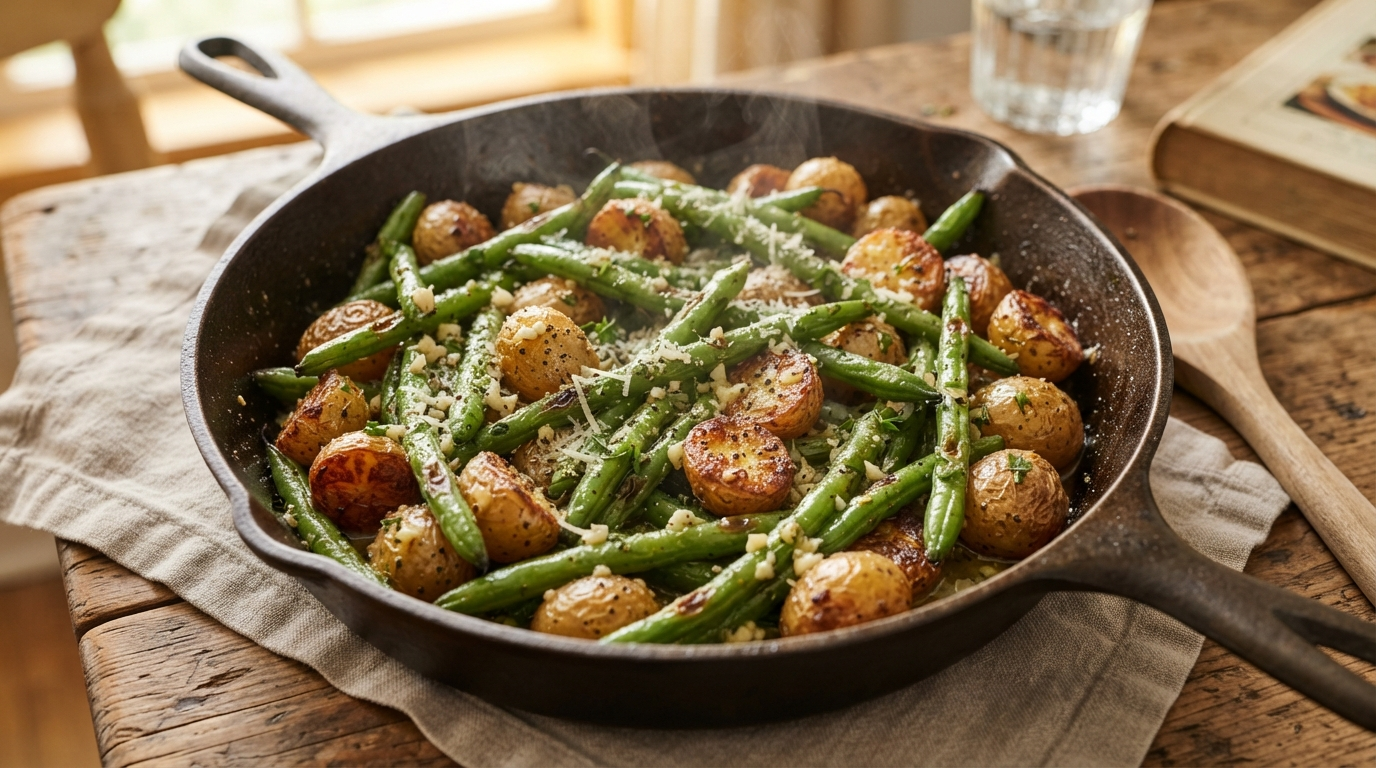
6. Garlic Butter Green Beans With Crispy Potatoes
This skillet dinner changed my opinion of green beans that had only ever met boiling water. Roast or air-fry baby potatoes first, then add trimmed green beans to a hot skillet with garlic, butter, salt, and black pepper. Cook until the beans stay bright and develop a few blistered spots.
Parmesan turns the whole thing into comfort food. Blistered green beans have more flavor than soft, watery ones, and the potatoes make the meal filling enough to stand alone. A fried egg makes this good lazy brunch food too.
7. Roasted Vegetable Quesadillas
Quesadillas are one of my favorite hiding places for vegetables because melted cheese holds everything together. Roast chopped zucchini, mushrooms, bell pepper, and corn until browned, then tuck them into tortillas with Monterey Jack or cheddar and toast until golden.
Use a hot pan and keep the filling dry. Browned vegetables bring more flavor, and a dry filling helps the tortilla crisp instead of turning limp. Serve with salsa, avocado, or lime yogurt. Re-crisp leftovers in a skillet instead of using the microwave.
8. Lemony Broccoli and White Bean Bowls
When I need a fresh lunch that still keeps me full, I roast broccoli until the edges darken, then pile it over white beans and rice with lemon dressing. The dressing takes two minutes: olive oil, lemon juice, Dijon mustard, salt, pepper, and a little grated garlic.
White beans add creamy bites between the florets. Toasty broccoli makes a huge difference, so do not crowd the pan. Give the vegetables room, and they brown instead of sweating.
9. Zucchini and Corn Fritters
Fritters can turn a pile of vegetables into something that feels like a treat. Grate zucchini, squeeze out as much water as possible, then mix it with corn, eggs, flour, scallions, salt, and a little feta. Fry spoonfuls in a thin layer of oil until both sides turn crisp.
The squeezing step matters. Dry zucchini gives you fritters that hold together and brown. Serve them with yogurt, lemon, and herbs. Kids and picky adults often approach these with less suspicion than a bowl of plain steamed zucchini.
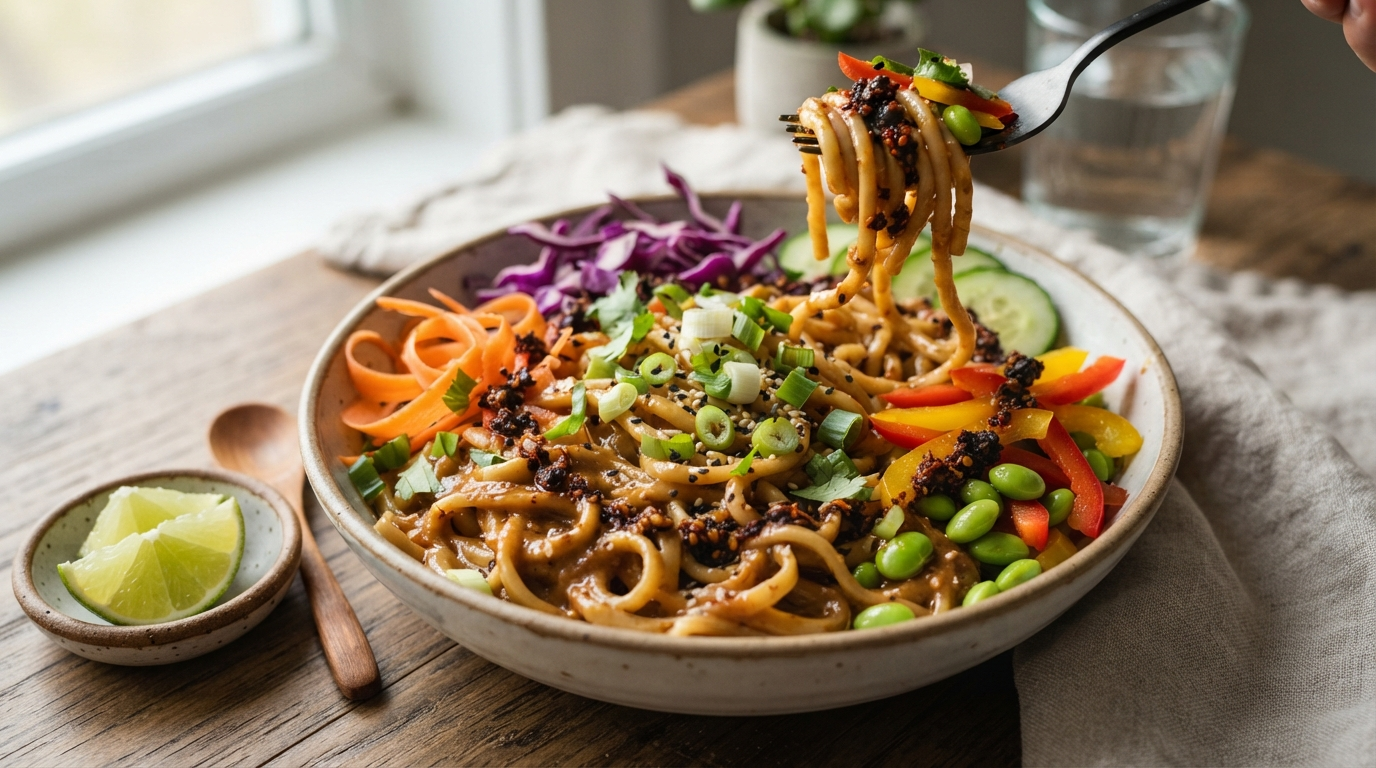
10. Spicy Peanut Noodles With Crunchy Vegetables
This is my pick when I want vegetables but also want dinner to taste like takeout. Whisk peanut butter with soy sauce, lime juice, a little honey, chili crisp, and warm water. Toss the sauce with noodles, shredded cabbage, carrots, cucumber, and bell pepper.
Use whatever vegetables need rescuing. Shredded cabbage works especially well because it keeps its crunch in the sauce. Add edamame, tofu, or leftover chicken for more protein. The sauce is rich, spicy, salty, and slightly sweet, so the vegetables feel like the main attraction.
11. Creamy Cauliflower Soup With Cheddar
Soup makes it easy to eat a generous amount of vegetables without feeling like you are chewing through a garden. Simmer cauliflower with onion, garlic, and broth until tender, then blend until smooth. Stir in sharp cheddar and a little milk or cream, then season generously with black pepper.
A few crunchy toppings keep the bowl interesting. Sharp cheddar gives the soup enough character that cauliflower never tastes bland or watery. I top it with pumpkin seeds, chives, or crispy chickpeas. On a cold evening, this is the sort of dinner that makes you keep the pot close.
12. Parmesan-Roasted Brussels Sprouts Pasta
Brussels sprouts became a regular in my kitchen once I stopped boiling and started roasting them. Halve the sprouts, toss them with olive oil, garlic, salt, and pepper, then roast until dark and crisp. Toss them with pasta, Parmesan, lemon zest, and pasta water.
The tiny roasted leaves become almost chip-like. Crispy Brussels sprouts make this one of my best recipes for people trying to eat more vegetables because texture does half the work. Lemon keeps the Parmesan from tasting too rich, and chili flake adds heat.
FAQs
What are the best recipes for people trying to eat more vegetables?
Choose recipes that make vegetables part of the main event rather than an afterthought. Roasted tacos, loaded sweet potatoes, peanut noodles, pasta with greens, and grain bowls work well because vegetables bring flavor and texture while other ingredients add comfort.
How can I make vegetables taste better without complicated cooking?
Use high heat, strong seasoning, and a finishing ingredient such as lemon juice, Parmesan, hot sauce, yogurt, or salsa. A hot oven or air fryer also creates browned edges that often taste better than soft, steamed vegetables.
How do I eat more vegetables without eating salads every day?
Skip the salad requirement. Add vegetables to pasta, quesadillas, tacos, noodles, pizza, soups, omelets, rice bowls, and sandwiches. Keep washed carrots, cucumbers, snap peas, and bell peppers ready for quick snacks.
Can frozen vegetables work in these recipes?
Absolutely. Frozen peas, corn, spinach, broccoli, and mixed vegetables can save time and reduce waste. Roasting watery frozen vegetables can be tricky, so thaw and drain them when needed, or use them in soups, sauces, stir-fries, and skillet dishes.
What is the easiest vegetable recipe for a busy weeknight?
Sheet-pan dinners usually win because prep stays simple and cleanup stays small. Toss vegetables with olive oil and seasoning, add gnocchi, chickpeas, potatoes, or another filling ingredient, then roast everything together. Change the seasonings so the method never feels repetitive.
Conclusion
Eating more vegetables gets much easier when dinner gives you a reason to look forward to them. Start with one recipe that sounds genuinely delicious, make it often enough to memorize, then keep swapping in whatever vegetables you already have. Which one would you put on the menu first?