Budget friendly recipes for people on a strict grocery budget can feel surprisingly satisfying when you stop treating cheap food like a punishment. I have found that a bag of rice, a few eggs, some beans, and whatever vegetables are hanging around can turn into genuinely good meals. The trick is making inexpensive ingredients work harder without making dinner feel like another financial sacrifice.
1. One-Pot Tomato Rice With Eggs
Rice earns a permanent spot on my budget grocery list because it stretches almost anything. For this meal, I cook rice with canned tomatoes, onion, garlic, paprika, and a little stock or water, then crack eggs directly into the simmering mixture. The eggs cook gently on top while the rice absorbs all those savory tomato juices.
A spoonful of yogurt or a sprinkle of cheese makes it feel more substantial, but neither is necessary. Rice provides the filling base, while eggs add protein without turning the grocery bill into a small tragedy. Leftovers also reheat beautifully for lunch the next day.
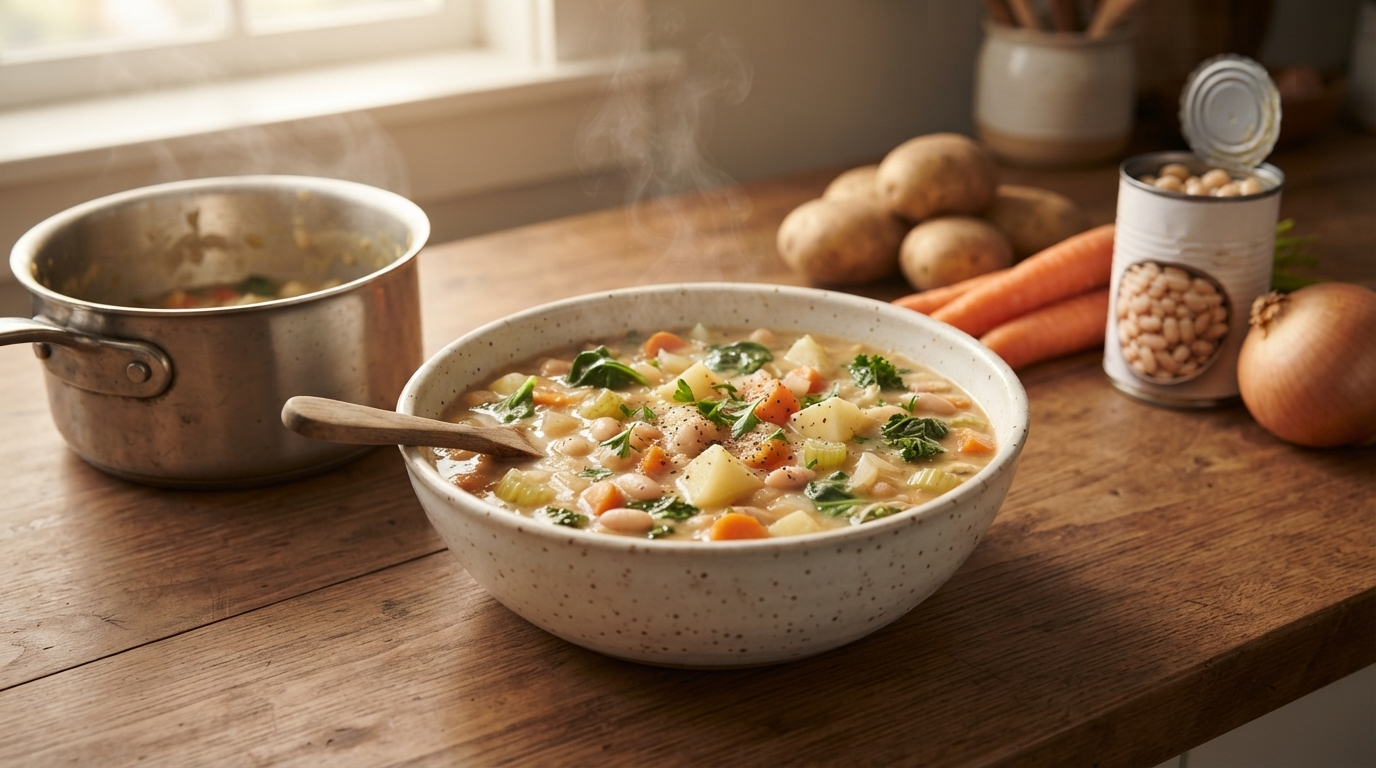
2. Creamy Bean and Potato Soup
When money gets tight, soup becomes one of my favorite ways to make a small grocery haul feel much bigger. Potatoes, dried or canned beans, carrots, onion, and whatever inexpensive greens you can find create a thick, hearty pot with very little effort.
I usually mash some of the potatoes and beans against the side of the pot instead of adding cream. That little trick gives the broth a creamy texture for free. Beans also make the soup filling enough to serve as a complete meal, especially with toast or homemade flatbread.
3. Crispy Potato and Egg Skillet
There is something wonderfully comforting about crispy potatoes for dinner. Dice a few potatoes into small cubes, cook them in a covered skillet until tender, then uncover the pan and let the edges brown. Add onion, whatever vegetables need using, and a couple of eggs.
This works particularly well when the refrigerator looks nearly empty. Potatoes provide plenty of volume, while eggs turn them into a proper meal. I like adding smoked paprika, black pepper, or chili flakes at the end because inexpensive food still deserves plenty of flavor.
4. Lentil Curry With Rice
Lentils are one of the most useful ingredients for budget friendly recipes for people on a strict grocery budget because they cook into something rich and satisfying without requiring meat. Simmer them with onion, garlic, canned tomatoes, curry powder, turmeric, and water or stock.
Serve the curry over rice and suddenly a modest amount of lentils feeds several people. I often make a large pot and refrigerate the leftovers because the flavor improves after a night in the fridge. If you have spinach, peas, carrots, or leftover roasted vegetables, toss them in.
5. Homemade Bean Burrito Bowls
You do not need a refrigerator full of toppings to make a good burrito bowl. Start with rice, add seasoned black or kidney beans, then use whatever inexpensive extras you already have, such as corn, shredded cabbage, tomato, onion, or leftover vegetables.
A quick sauce made from yogurt, lime juice, salt, and chili powder adds a lot without costing much. Cabbage deserves special attention here because it stays fresh for ages and adds crunch to several meals. I sometimes prepare the rice and beans ahead, then assemble bowls differently throughout the week.
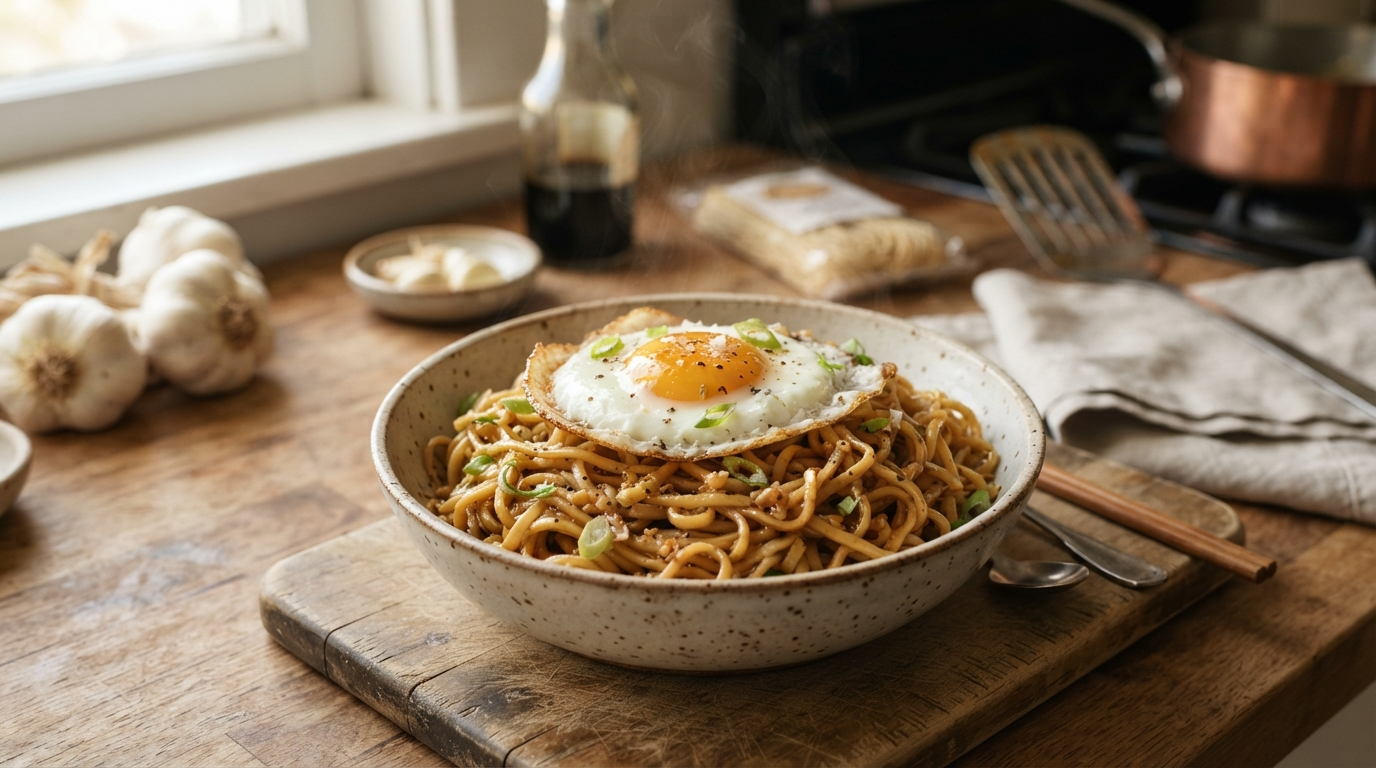
6. Garlic Noodles With Fried Egg
A packet of ordinary noodles can become dinner with a few pantry ingredients. Cook the noodles, drain them, then toss them with garlic, a little soy sauce, oil, chili flakes, and a splash of the cooking water. Top each serving with a fried egg.
If you have carrots, cabbage, frozen peas, or green onions, add them. If you do not, the noodles still work. Frozen vegetables are especially useful because you can take out exactly what you need without worrying about another forgotten bag of fresh produce becoming science in the refrigerator.
7. Chickpea Tomato Pasta
Pasta becomes much more filling when you add chickpeas to the sauce. Sauté onion and garlic, add canned tomatoes and chickpeas, season with oregano and black pepper, then simmer everything while the pasta cooks.
I like breaking some chickpeas apart with the back of my spoon so they thicken the sauce naturally. Chickpeas also give this simple meal more staying power than plain pasta. A little grated cheese works nicely if you have it, but nutritional yeast, parsley, or even extra black pepper can finish the dish without another grocery trip.
8. Cabbage and Noodle Stir-Fry
Cabbage rarely gets the attention it deserves. One inexpensive head can provide several meals, and it becomes surprisingly delicious when sliced thinly and cooked over high heat with noodles, onion, garlic, and soy sauce.
I usually cook the cabbage until some edges turn brown because that extra color brings out a deeper flavor. Cabbage also stretches the noodles, so you can use less pasta and still end up with a generous bowl. Add an egg, leftover chicken, tofu, or beans if your budget allows.
9. Homemade Bean and Cheese Quesadillas
Quesadillas can be a lifesaver when you need something fast and cheap. Mash cooked beans with salt, cumin, and a little chili powder, spread them over tortillas, add a modest amount of cheese, fold, and cook in a dry skillet until crisp.
You do not need a huge pile of cheese to make these satisfying. Beans provide the bulk, while cheese supplies enough richness to make the meal feel special. Serve with salsa, chopped tomato, or plain yogurt if you have them. Even leftovers make an excellent quick breakfast.
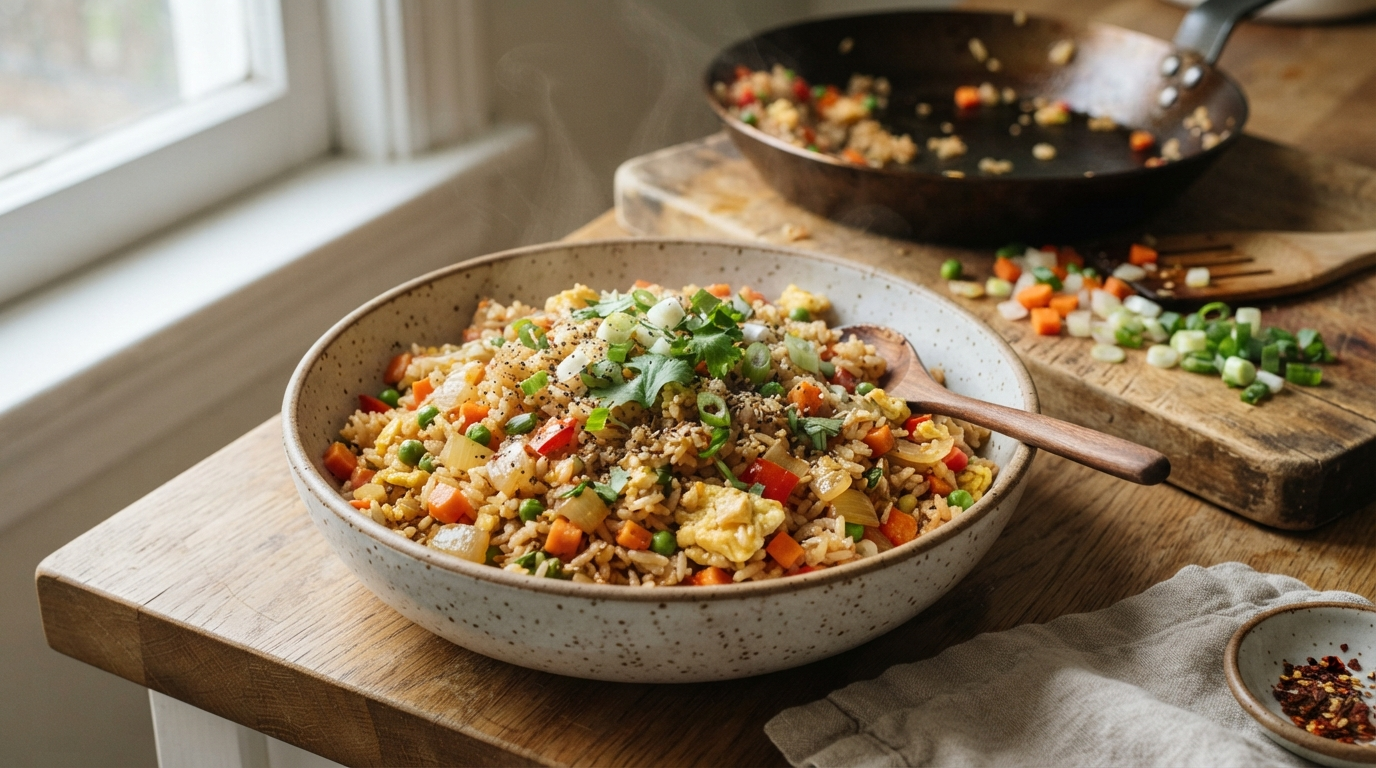
10. Vegetable Fried Rice From Leftovers
Fried rice is practically designed for a strict grocery budget because it turns leftovers into something that tastes intentional. Cold cooked rice works best, especially rice from the previous day, because it fries rather than becoming mushy.
Heat a little oil, cook onion and vegetables, push them aside, scramble in an egg, then add the rice and soy sauce. Leftover rice can absorb whatever flavors you give it, so this is where small amounts of vegetables, cooked chicken, beans, or even leftover roasted potatoes can find a second life.
11. Oatmeal That Actually Keeps You Full
Oatmeal does not have to mean a sad bowl of plain porridge eaten while staring into the distance. Cook oats with milk or water, then add banana, peanut butter, cinnamon, raisins, or chopped apples depending on what you already have.
For a savory version, cook oats with salt and top them with a fried egg and sautéed vegetables. Oats are particularly useful when breakfast needs to stay cheap because they store well and require very little preparation. Buying a larger container instead of individual packets usually makes more sense when your budget is extremely tight.
12. Homemade Vegetable Soup With Toast
A strict grocery budget rewards meals that can adapt to whatever vegetables are cheapest that week. Start with onion, carrot, and potato, then add cabbage, peas, beans, tomatoes, or any vegetables that need using. Season the pot generously and let everything simmer until tender.
I rarely follow an exact vegetable list for soup. Flexible ingredients make more sense when grocery prices change from week to week. Serve it with toast, rice, noodles, or homemade bread to stretch the meal even further.
How I Make a Strict Grocery Budget Stretch Further
The biggest mistake I used to see people make with inexpensive cooking was buying lots of different ingredients for individual recipes. That sounds exciting until half a bunch of herbs and three specialty sauces sit untouched in the refrigerator.
Instead, I build meals around a handful of overlapping ingredients. A bag of potatoes can become soup, breakfast hash, curry, or a skillet dinner. Rice can support beans, eggs, vegetables, curry, or fried rice. Onions, carrots, cabbage, tomatoes, and garlic can move between almost everything.
For budget friendly recipes for people on a strict grocery budget, I also find it useful to shop with meals in mind rather than shopping for cravings. Pick two or three main starches, two protein sources, several vegetables, and a few flavor boosters.
Good budget staples include:
- Rice
- Potatoes
- Oats
- Dried or canned beans
- Lentils
- Eggs
- Pasta
- Cabbage
- Carrots
- Onions
- Canned tomatoes
- Frozen mixed vegetables
- Peanut butter
Another trick is to check the price per kilogram or pound rather than simply choosing the package with the lowest sticker price. A larger package can save money, but only if you will actually use it before it spoils.
How to Add Flavor Without Blowing the Budget
Cheap ingredients do not taste boring by default. They taste boring when every meal gets the same treatment.
A few inexpensive seasonings can completely change the direction of a meal. Garlic and chili turn beans into something smoky and spicy. Curry powder makes lentils taste completely different from yesterday’s soup. Soy sauce gives rice and noodles a savory boost. Lemon or vinegar can brighten a heavy dish with just a small splash.
Seasoning deserves room in a tight grocery budget because you only need a little at a time. You do not need a cabinet packed with twenty sauces. Start with salt, black pepper, garlic, chili powder, paprika, curry powder, and one versatile sauce such as soy sauce.
FAQs
What are the best budget friendly recipes for people on a strict grocery budget?
Start with meals built around rice, potatoes, beans, lentils, eggs, oats, and pasta. These ingredients stretch well and work across multiple recipes. Soups, curries, fried rice, bean bowls, and potato skillets are especially useful because you can adjust the vegetables and seasonings based on what you already have.
How can I eat well on a very small grocery budget?
Build your shopping list around inexpensive staples first, then add seasonal or discounted vegetables. Cook larger portions and reuse leftovers instead of preparing a completely different meal every night. Comparing unit prices also helps because package size and brand do not always tell you which option costs less.
Are canned beans cheaper than dried beans?
Dried beans often cost less per serving, especially when you buy larger bags, but canned beans save time and require no soaking or long cooking. If you have the time and storage space, dried beans can be a smart choice. Canned beans still make sense when convenience helps you avoid buying takeout.
How do I make cheap meals taste better?
Focus on seasoning, browning, acidity, and texture. Let onions and potatoes brown instead of rushing them, season food as it cooks, and finish dishes with lemon juice, vinegar, herbs, or chili flakes when available. A crispy topping or fried egg can also make a basic meal feel much more satisfying.
Can I make cheap meals without eating meat every day?
Absolutely. Beans, lentils, chickpeas, eggs, peanut butter, and dairy can provide affordable sources of protein depending on local prices. You also do not need to eliminate meat completely. Using a smaller amount of chicken or meat as one ingredient alongside rice, beans, vegetables, or pasta can stretch it across several servings.
Conclusion
Eating on a strict grocery budget does not mean eating the same bland meal every night. With a few dependable staples and some flexible recipes, inexpensive ingredients can become hearty, flavorful food that you actually look forward to eating.